
Hospitality Success with Digital Marketing for Hotels
- Dec 10, 2025
- 4 min read
In today's fast-paced world, the hospitality industry faces fierce competition. Hotels must stand out to attract guests and build loyalty. One of the most effective ways to achieve this is through hospitality digital marketing. This approach uses online tools and strategies to reach potential customers, engage them, and convert interest into bookings. This blog post explores how hotels can leverage digital marketing to boost their success.
The Importance of Hospitality Digital Marketing
Hospitality digital marketing is essential because travelers increasingly rely on the internet to plan their trips. From searching for accommodations to reading reviews and booking rooms, the digital journey shapes their decisions. Hotels that invest in digital marketing can:
Increase visibility on search engines and social media
Build a strong brand presence online
Engage with guests before, during, and after their stay
Drive direct bookings, reducing reliance on third-party platforms
Collect valuable data to improve services and marketing efforts
For example, a boutique hotel can use targeted social media ads to attract niche travelers interested in local culture. Meanwhile, a large resort might focus on search engine optimization (SEO) to appear at the top of search results for popular vacation destinations.

Caption: Modern hotels use digital tools to enhance guest experience and streamline operations.
Key Strategies in Hospitality Digital Marketing
To succeed, hotels need a well-rounded digital marketing plan. Here are some key strategies:
1. Search Engine Optimization (SEO)
SEO helps hotels rank higher on search engines like Google. This means when someone searches for "hotels in [city]," your property appears near the top. Effective SEO involves:
Using relevant keywords in website content
Optimizing meta descriptions and titles
Creating local content to attract nearby travelers
Building backlinks from reputable travel sites
2. Social Media Marketing
Social media platforms like Instagram, Facebook, and Twitter are powerful tools for hotels. They allow direct communication with guests and showcase the hotel’s unique features. Tips include:
Posting high-quality photos and videos regularly
Running targeted ad campaigns
Engaging with followers through comments and messages
Sharing guest testimonials and user-generated content
3. Email Marketing
Email remains a cost-effective way to nurture relationships. Hotels can send:
Personalized offers and discounts
Booking reminders and confirmations
Newsletters with local events and hotel updates
Post-stay surveys to gather feedback
4. Pay-Per-Click Advertising (PPC)
PPC ads appear on search engines and social media, targeting specific audiences. Hotels can use PPC to:
Promote special deals and packages
Target last-minute travelers
Increase brand awareness quickly
5. Content Marketing
Creating valuable content such as blogs, guides, and videos helps attract and educate potential guests. For example, a hotel might publish a blog about "Top 10 Things to Do in [City]" to draw visitors interested in local attractions.

Caption: Monitoring website analytics helps hotels optimize their digital marketing efforts.
What are the 4 types of digital marketing?
Understanding the main types of digital marketing can help hotels choose the right mix for their goals. The four primary types are:
1. Search Engine Marketing (SEM)
SEM includes both SEO and paid search advertising. It focuses on increasing visibility on search engines through organic and paid methods.
2. Social Media Marketing
This type involves promoting content and engaging with audiences on social media platforms. It helps build brand loyalty and community.
3. Content Marketing
Content marketing creates and shares valuable information to attract and retain customers. It includes blogs, videos, infographics, and more.
4. Email Marketing
Email marketing uses targeted messages to communicate directly with potential and existing customers, encouraging bookings and repeat visits.
Hotels that combine these types effectively can create a comprehensive digital presence that drives bookings and enhances guest satisfaction.
Leveraging Technology for Enhanced Guest Experience
Technology plays a crucial role in hospitality digital marketing. Hotels can use various tools to improve guest experience and streamline marketing efforts:
Customer Relationship Management (CRM) systems help track guest preferences and personalize communications.
Chatbots and AI assistants provide instant responses to inquiries, improving customer service.
Mobile apps allow guests to book rooms, check in, and access hotel services easily.
Virtual tours and 360-degree videos give potential guests a realistic preview of the property.
By integrating these technologies, hotels can create seamless and memorable experiences that encourage positive reviews and repeat visits.
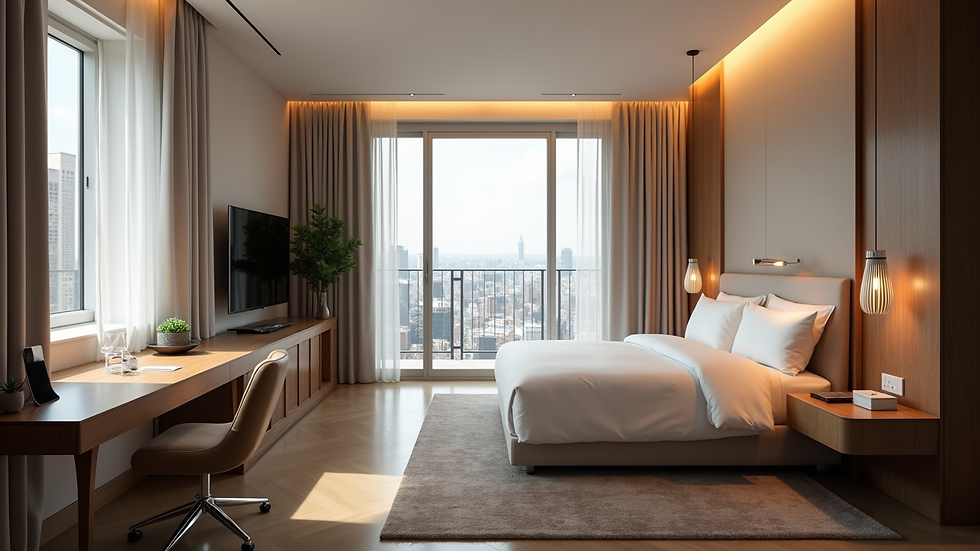
Caption: Smart technology in hotel rooms enhances guest comfort and convenience.
How to Measure Success in Hospitality Digital Marketing
Tracking the effectiveness of digital marketing efforts is vital. Hotels should monitor key performance indicators (KPIs) such as:
Website traffic and user behavior
Conversion rates (e.g., bookings made through the website)
Social media engagement (likes, shares, comments)
Email open and click-through rates
Return on investment (ROI) for paid campaigns
Using tools like Google Analytics, social media insights, and email marketing platforms, hotels can gather data to refine their strategies. Regular analysis helps identify what works and where improvements are needed.
Final Thoughts on Hospitality Digital Marketing
The hospitality industry is evolving, and digital marketing is at the heart of this transformation. Hotels that embrace digital strategies can reach wider audiences, build stronger relationships, and increase revenue. Whether through SEO, social media, email, or content marketing, the key is to stay consistent and customer-focused.
For hotels looking to elevate their marketing game, exploring digital marketing for hotels can provide tailored solutions and expert guidance. Investing in digital marketing is not just about staying competitive - it’s about creating unforgettable guest experiences that drive long-term success.
Comments